
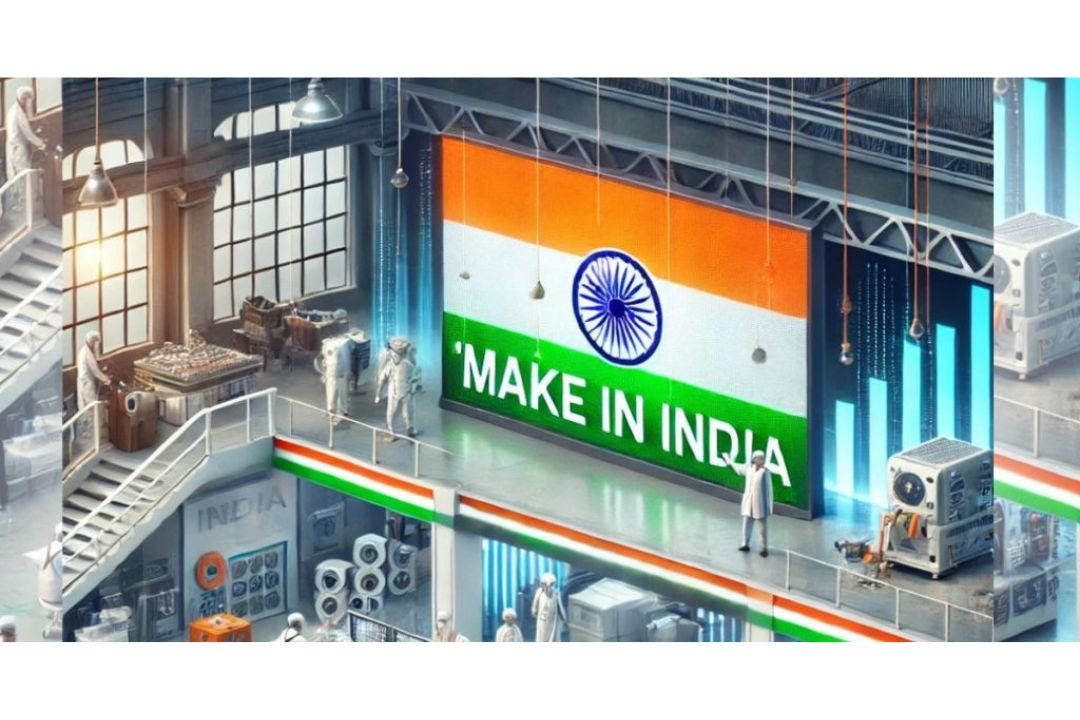
Introduction: Understanding the Make in India Initiative
India is one of the fastest-growth major economies in the world. However, for many years, the country relied heavy on services while its manufacturing sector remained underdeveloped. To change this imbalance, the Government of India launched Make in India, a flagship national program aimed at converting India into a global manufacturing hub.
The Make in India initiative is not simply a branding campaign. It represents a long-term structural reform strategy focused on boosting domestic production, attracting foreign investment, generating employment, strengthening exports, and reducing reliance on imports.
By 2026, the impact of Make in India can be seen clearly across multiple sectors of the Indian economy.
Background of Making in India
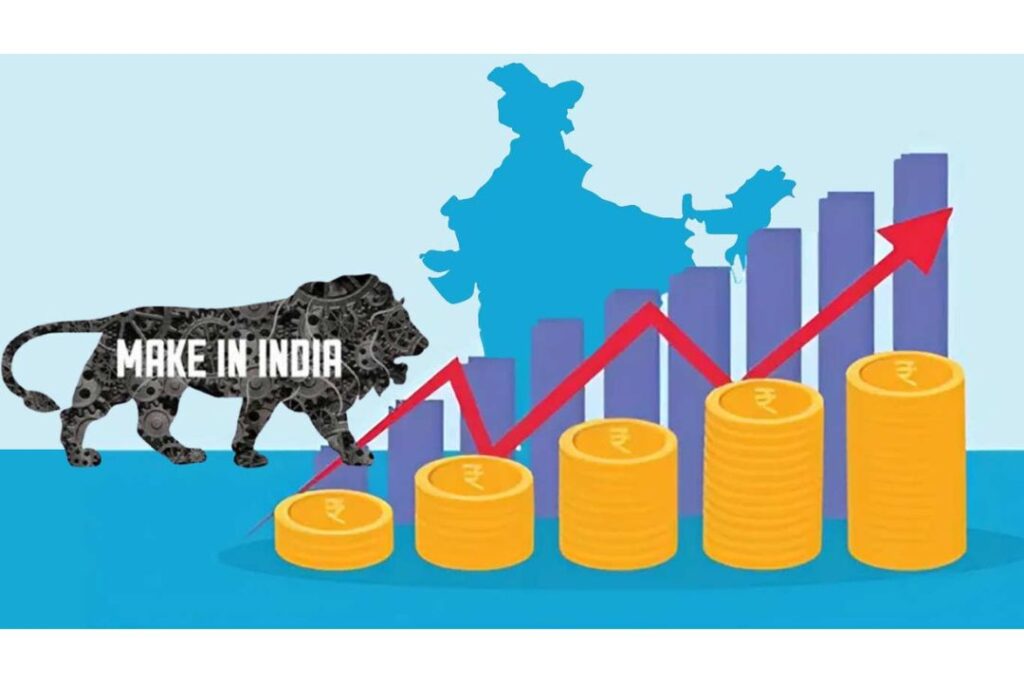
The make in India program was launched in September 2014 with a clear vision:
Turn India into a global manufacturing powerhouse.
Before this initiative, manufacturing contributed a comparatively small share to India’s GDP compared to other emerging economies. India imported large amounts of electronics, defense equipment, and industrial goods.
Key Objectives:
- Increase manufacturing’s share in GDP to 25%.
- Create millions of new jobs
- Improve the ease of doing business
- Encourage domestic and foreign investments
- Strengthen India’s position in global supply chains.
Core Pillars of Make in India
The making India initiative is built on four strong pillars:
1 New Processes
- Simplified business approvals
- Online licensing systems
- Reduced bureaucratic hurdles
- Faster approvals for industries
2 New Infrastructure
- Industrial corridors
- Modern ports and logistics
- Electricity and digital connectivity
- Smart Cities
3 New Sectors
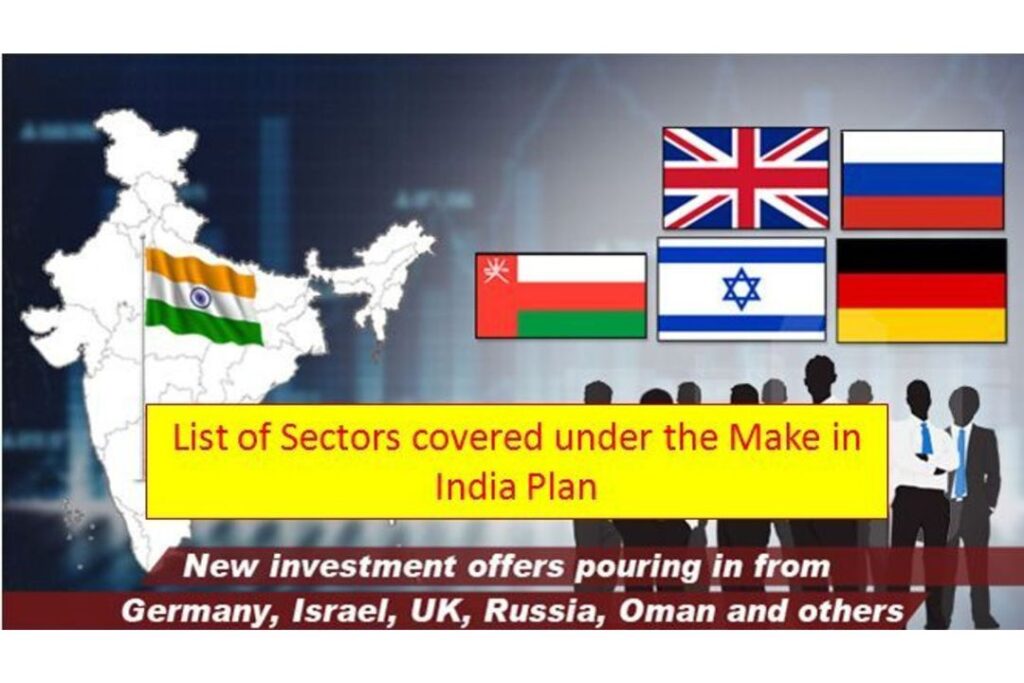
This initiative focuses on multiple sectors including:
- Automobiles
- Electronics
- Defence manufacturing
- Pharmaceuticals
- Textiles
- Renewable energy
- Chemicals and capital goods
4 New Mindset
The government moved its role from regulator to facilitator, creating a more investor-friendly environment.
Effect of making in India on the Indian Economy
Contribution to GDP Growth
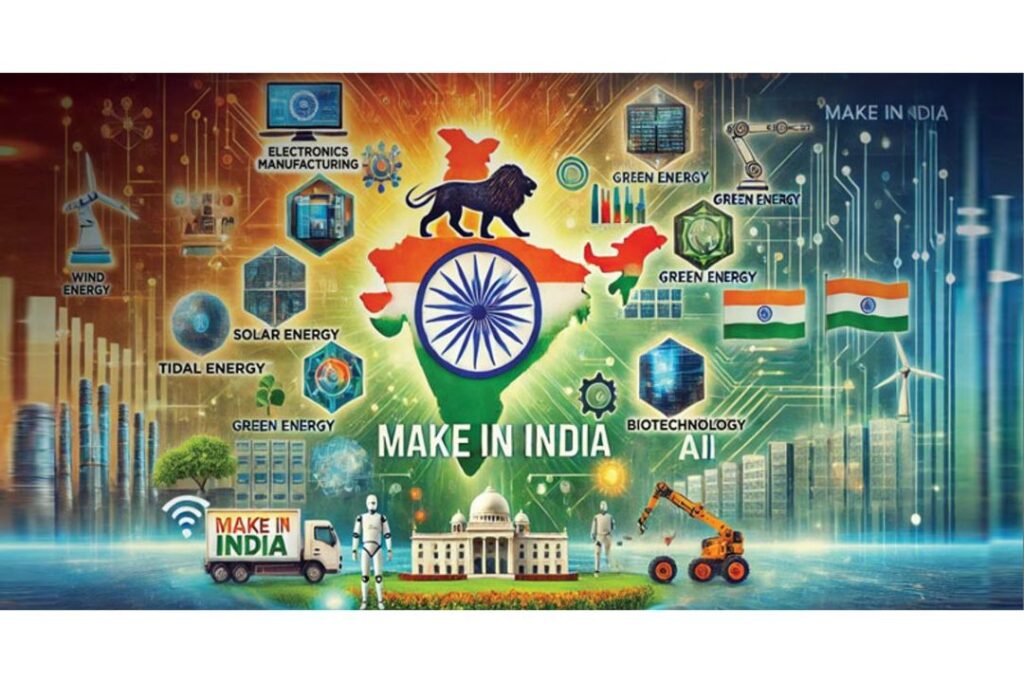
Making in India has played a key role in strengthening India’s economic foundation. Manufacturing growth helps balance the economy by reducing excessive reliance on the services sector.
By 2026:
- Manufacturing output has increased steadily.
- industrial production has improved.
- Domestic value addition has increased
This diversity makes India’s economic growth more stable and sustainable.
Industries
The initiative encouraged companies to setup large-scale manufacturing units in India. This led to:
- Expansion of Industrial Capacity
- Growth in factory output
- Development of industrial clusters in states like Gujarat, Maharashtra, Tamil Nadu and Karnataka.
India’s industrial ecosystem has become stronger and more competitive globally.
Make in India and Foreign Direct Investment(FDI)
One of the most visible successes of Make in India is the rise in foreign direct investment.
Key Changes:
- Enhanced FDI limits in several sectors
- Automatic approval routes
- Liberalized defense and electronics manufacturing policies.
Benefits of Higher FDI:
- Capital inflow
- Transfer of advanced technologies
- Better management practices
- Integration in global value chains
India has emerged as one of the top FDI destinations amongst emerging markets.
employment generation and skill development
Job Creation
Manufacture is a labour-intensive sector. Growth under Making in India has resulted in:
- Factory-level employment
- Skilled and semi-skilled jobs
- Indirect employment via supply chains
Millions of workers have found opportunities in manufacturing-associated industries.
Skill development initiatives
Make in India is closely linked with skills development programmes:
- Vocational training
- Apprenticeships
- Industry-academia cooperation
These initiatives improves workforce productivity and employability.
Sector-wise impact of make in India
Electronics Manufacturing
Previously, India depended heavily on imported electronics. Make in India this changed by:
- Encouragement domestic mobile phone production
- Promotion of semiconductor and component manufacturing
- Boosting electronics exports
India is now amongst the world’s largest mobile phone manufacturing nations.
Defence Manufacturing
Defense production has witnessed a major transformation:
- Enhanced domestic defense manufacturing
- Partnership of private companies
- Growth in defense exports
India is gradually reducing its dependency on imported defense equipment.
Automotive and Electric Vehicle Sector
Making in India has strengthened:
- Automobile manufacturing
- Auto components industry
- Electric vehicles (EV) ecosystem
- Battery charging infrastructure development
India is placing itself as a future EV manufacturing hub.
Pharmaceutical Industry
India’s pharmaceutical sector benefitted significantly:
- Local manufacturing of active pharmaceutical ingredients(APIs)
- Reduced import dependencies
- Strong global supply chain role
India remains a key supplier of inexpensive medicines worldwide.
Impact on MSMEs(Micro, Small, and Medium Enterprises)
MSMEs are the spine of the Indian economy.
Make in India supports MSMEs via:
- Preferential Government Procurement
- Easier access to credit
- Technology upgrading schemes
- market expansion opportunity
A strong MSME sector contributes directly to employment and inclusive growth.
Infrastructure development supporting make in India
Manufacturing development is impossible without strong infrastructure.
Major developments include:
- Dedicated Freight Corridors
- Industrial parks and SEZs
- Port modernization projects
- Improve road and rail connectivity.
Improved infrastructure has reduced logistics costs and improved efficiency.
Export growth under make in India
Make in India aims to make India an export-led manufacturing economy.
Positive Outcomes:
- Increase in engineering goods exports
- Expanding electronics exports
- Strong performance in pharmaceuticals and chemicals.
Higher exports strengthened foreign exchange reserves and reduced trade deficits.
Effect of Make in India on the Stock Market
Sectoral Growth
The initiative has positively influenced several stock market sectors:
- Capital goods
- Infrastructure
- Defence manufacturing
- Electronics
- Industrial PSUs
Manufacturing-centric companies have attracted long-term investors
Investor Confidence
Make in India has improved:
- Domestic investor confidence
- Foreign institutional investments
- Long-term valuation outlook for manufacturing shares
It is considered a structural growth theme in Indian stocks.
Support Government Policies
Make in India is supported by supplementary initiatives such as:
- Production Links Incentive (PLI) schemes
- Startup India
- Digital India
- Atmanirbhar Bharat
Together, these policies strengthen India’s manufacturing ecosystem.
Challenges Faced by Making in India
Despite the progress, challenges remain
1 Land and Labor Issues
- Land acquisition delays
- Complex labor regulations
2 Skill Gaps
- Lack of advanced manufacturing skills
3 Global Competition
- Strong competition from nations like China and Vietnam
4 Logistics Costs
- Logistics expenditures are still higher than global benchmarks
Make in India versus China Manufacturing Model
China has dominated global manufacturing owing to scale and efficiency. However, India offers:
- Large domestic market
- Democratic governance
- Cost advantages
- Innovation-driven growth
Global companies adopting the “China+1” strategy increasingly view India as a key alternative.
Future Outlook of Making in India (2026–2035)
Expected trends include:
- Semiconductor manufacturing
- Green & sustainable manufacturing
- Defence exports expansion
- AI-driven smart factories
- Electric vehicle leadership
Making in India has the potential to reshape India’s global economic position.
Impact on the Common Citizen
Make in India directly benefits ordinary citizens via:
- employment opportunities
- Affordable domestically produced products
- Skill Enhancement
- Balanced regional development
It contributes to inclusive economic development.
Sustainable and Green Manufacturing
Future manufacturing under Make in India focuses on
- Renewable energy use
- Low-carbon production
- Sustainable supply chains
- Environmentally friendly technologies
Sustainable is becoming a core manufacturing priority.
Conclusion: Is Make in India a Success?
Make in India has delivered significant progress:
- Strengthened Manufacturing Base
- Attracted global investment
- generated employment
- Created long-term stock market opportunity
While challenges remain, the initiative has laid a strong foundation for India’s transition from a consumption-driven economy to a production-led economy.
FAQs
Q1. What is the main goal of Make in India?
To boost manufacturing, create jobs, and attract global investment.
Q2. How has Make in India impacted the stock market?
It has supported long-term growth in manufacturing, infrastructure, and industrial sectors.
Q3. Is Make in India successful?
Yes, but continuous reforms and execution are required for sustained success.
Disclaimer : This article is for educational and informational purposes only and should not be considered financial or investing advice.
Stay connected for more such information https://stockhubnews.com
