
Introduction
The biggest problem in financial life arises when a sudden emergency occurs – like job loss, medical expense, family crisis or urgent home repair.
At such times, if you do not have an emergency fund, you either have to take a loan, or your credit card debt increases, or you have to stop long-term investments.
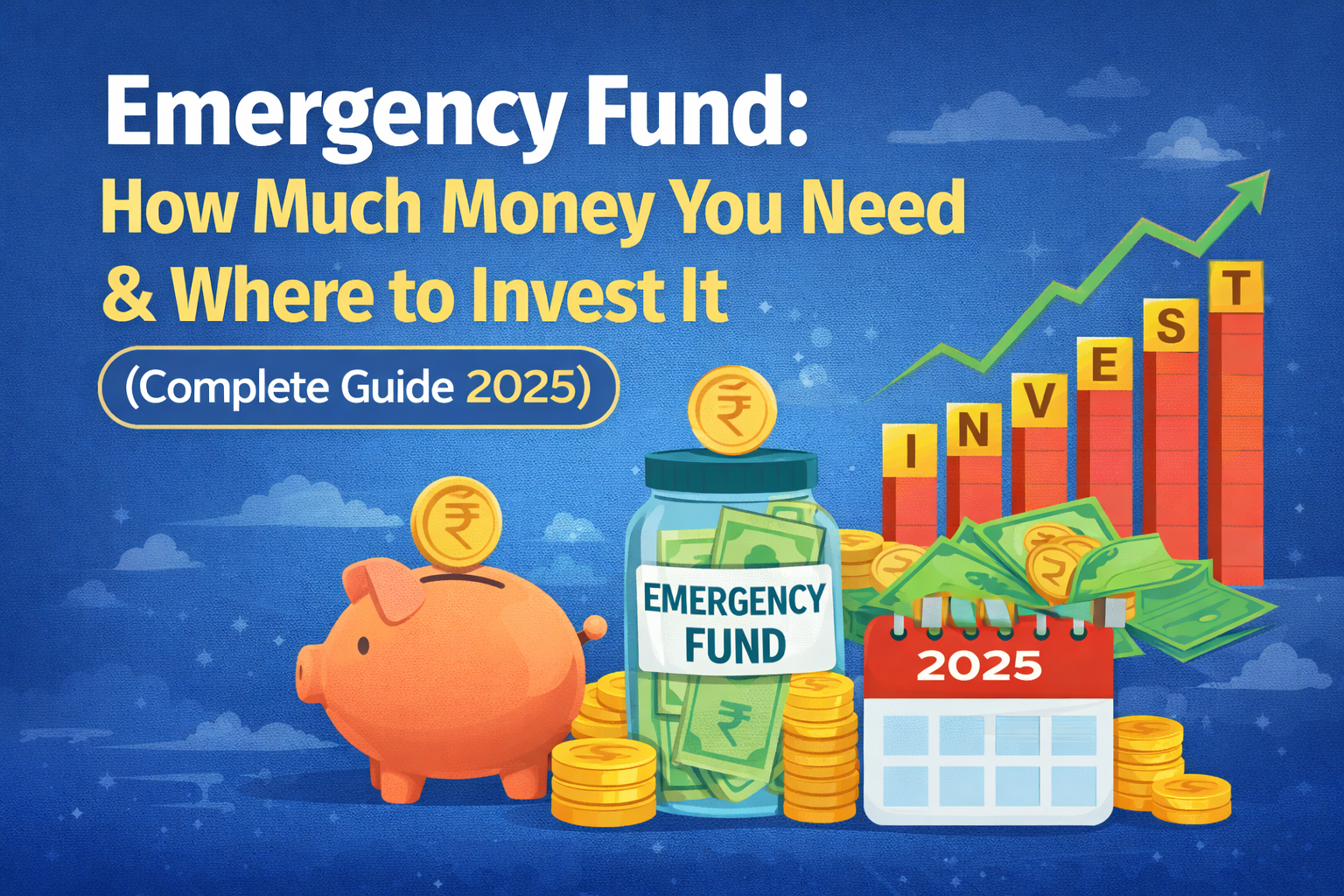
Emergency Fund is a financial safety net that protects you from financial stress in these unexpected situations. This fund not only protects your money but also gives you peace of mind.
That is why financial experts say that creating an emergency fund is the most important step before starting investing.
But the most common questions are:
Ideal size of emergency savings?
Low-risk places to keep emergency savings accessible
In this complete guide, you will learn:
- What are emergency savings and why every individual needs them?
- How do you determine the right amount of emergency savings?
- Which options are safe for keeping emergency savings in India?
- How to start building emergency savings
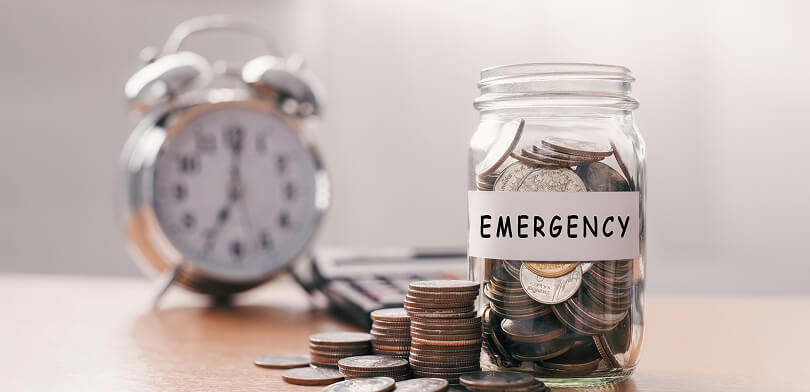
What is an Emergency Fund?
A financial safety buffer helps manage sudden and unavoidable costs, such as:
- job loss
- Medical emergency
- Family crisis
- Urgent home or vehicle repair
The primary purpose of this money is protection and easy access, not earning high returns.
Why Having a Financial Backup Matters?
Unexpected expenses become more difficult to manage when no backup money is available:
- Credit card debt will increase.
- You will have to take out a personal loan.
- You will have to liquidate long-term investments.
Benefits of Being Financially Prepared:
- Financial stress is reduced
- Peace of mind is gained
- Long-term wealth is protected
An emergency fund is like driving a car without insurance.
Emergency Fund vs Savings Account
| Feature | Emergency Fund | Normal Savings |
|---|---|---|
| Purpose | Emergency only | General expenses |
| Usage | Rare & critical | Daily/Monthly |
| Investment | Liquid & safe | Mostly bank |
| Returns | Low but safe | Very low |
A savings account is only a part of being financially prepared, not the complete solution.
How to decide the right backup amount for yourself
Standard Rule:
6 months of monthly expenses
Formula:
Monthly Expenses × 6
Example:
- Monthly expense = ₹25,000
- Emergency Fund needed = ₹1,50,000
Real-Life Example: Calculate a Practical Financial Backup
👨💼 Single Person
- Expenses: ₹20,000
- Emergency Fund:₹1,20,000 (6 months)
Married with Family
- Expenses: ₹40,000
- Emergency Fund: ₹2,40,000 – ₹3,60,000 (6–9 months)
👴 Self-employed / Business
- Expenses: ₹50,000
- Emergency Fund: ₹4-6 lakh (9-12 months)
Who Needs a Larger Financial Protection Buffer?
You need 9-12 months emergency fund if:
- You are self-employed
- Your job income is unstable
- You have dependents
- You have home loan / EMIs
When Is It Suitable to Use Your Financial Backup?
- job loss
- Hospital bills
- Major accidents
- Natural disasters
NOT FOR:
- Vacation
- Shopping
- New phone
- Stock market dip
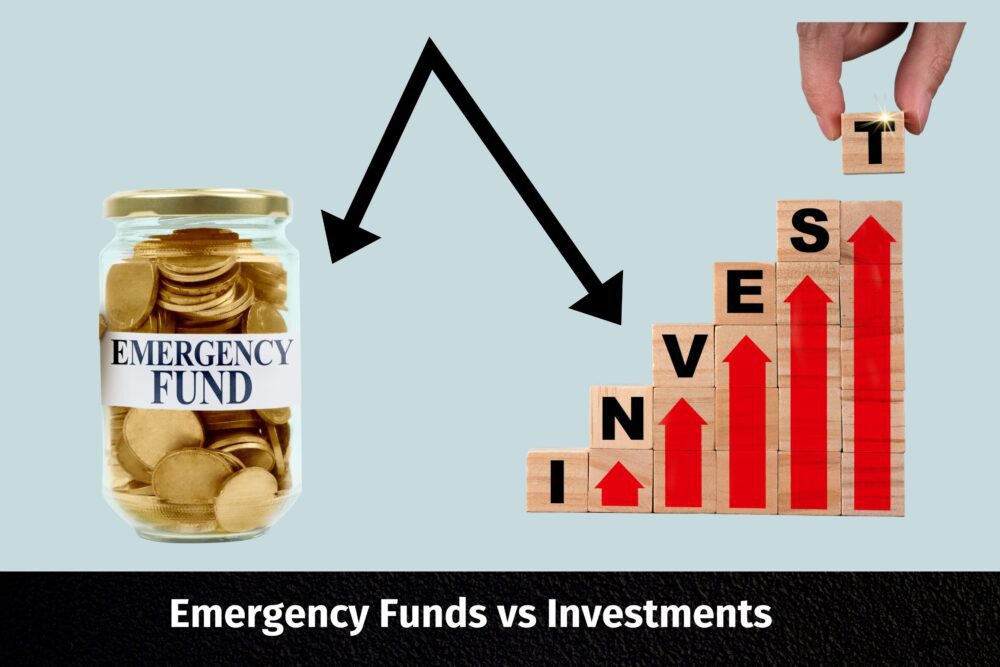
Where to Invest? (Best Options)
1.Savings Account
- Instant access
- Very safe
- Low returns (2.5%–4%)
2.Fixed Deposit(Short Term FD)
- Better returns (5%–7%)
- Breakable anytime
- Ideal for partial emergency funds.
3.Liquid Mutual Funds
- Low risk
- Better than savings
- Redemption within 24 hours
4.Sweep-in FD Account
- Savings + FD combo
- Auto Liquidity
- Very convenient
A Smart Way to Split Your Financial Protection Money
Spreading your backup money improves security and access when it’s needed most.
Ideal Split:
- 30% → Savings Account
- 40% → Liquid Mutual Fund
- 30% → Short-term FD
✔ Safe
✔ Liquid
✔ Slightly better returns
Where not to Invest Emergency Fund
- Equity Mutual Funds
- Stocks
- Crypto
- Long-term FD
- Real Estate
Rule of emergency fund: No risk, no lock-in
Step-by-Step Guide to Building an Emergency savings
Step 1: Calculate monthly expenses.
- Rent+Food+EMI+Bills+Transport
Step 2: Set Target Amount
- Monthly expenses × 6 or 9
Step 3: Start Small
- ₹1,000 – ₹2,000 per month is also enough to start
Step 4: Automate Savings
- Auto-transfer on salary day
Step 5: Keep a Separate Account
- Keep your emergency savings separate from your daily expenses.
Emergency Fund for Various Life Stages
🎓 Students
- ₹ 30,000 – ₹ 50,000 basic fund
👨 💼 Young Professionals
- 6 months expenses
👨👩👧 Family
- 9 months expenses
👴 Retired People
- 12 months expenses+medical buffer
Common Emergency savings Mistakes
- Investing in emergency savings in stocks
- Using it for lifestyle expenses
- Keeping it locked
- Not increasing funds with inflation
Emergency Fund and Inflation: Why Your Fund Must Growth Over Time
Many people make a big mistake – they create an emergency savings once and don’t update it for years.
But due to inflation the value of money is decreasing every year.
Example:
- Expenses covered today are ₹30,000.
- Five years later, those same expenses could cost ₹45,000.
Therefore, it is important to revise the emergency savings every 1–2 years.
How to protect yourself from inflation?
- Liquid mutual funds
- Sweep-in funds
- Increasing the emergency savings amount with salary hikes
Emergency Fund vs Credit Card: Which is Better?
Many people think:
I’ll use my credit card in case of an emergency.
Reality:
| Credit Card | Emergency Fund |
|---|---|
| High interest (30–45%) | No interest |
| EMI trap | Stress-free |
| CIBIL score impact | Safe credit score |
Emergency fund = power
Credit card = compulsion
Having an emergency savings can help you take financial decisions safely.
Emergency savings for Salary Employees(India)
Why is an emergency fund important for salaried people?
- Job switch delay
- Company layoffs
- salary delay
Ideal amount:
- Private job: 6-9 months expenses
- Government job: 4-6 months expenses
Best investment mix:
- 40% Savings / Sweep FD
- 30% Liquid Mutual Fund
- 30% Short-term FD
Emergency fund for business owners & freelancers
Business income is not fixed, hence emergency savings is even more important here.
Examples of emergencies:
- Client payment delay
- seasonal slowdown
- Medical issues
Ideal emergency fund:
- 9–12 months expenses
Smart strategy:
- Separate personal and business emergency savings
- Cash Buffer
- Personal emergency savings should be fully liquid

Emergency Fund for Women
For women, an emergency savings is the foundation of financial independence.
Why more important?
- Career breaks
- Maternity expenses
- Family dependency
Recommended approach:
- Personal savings account
- Nominee added properly
- Easy-access investments
Emergency fund gives financial confidence to women.
Emergency savings and Insurance: Both are different
Many people are confused:
If you have insurance, why do you need an emergency savings?
Truth:
| Insurance | Emergency Fund |
|---|---|
| Claim process delay | Instant access |
| Limited coverage | Flexible |
| Specific use | Any emergency |
- Insurance + Emergency Fund= Complete protection
Emergency savings for medical emergencies
Medical emergency is the biggest financial emergency in India.
Important points:
- Health insurance claims can take time.
- There are co-payments.
- There are non-covered expenses.
Therefore, keep a minimum of 2–3 months’ portion of the emergency savings only for medical backup.
Psychological benefits of emergency savings
Emergency savings is not just a matter of money, but also of mental peace.
Benefits:
- Stress is reduced
- Better sleep
- Confident financial decisions
- Risk-free investing mindset
A person who has an emergency fund does not take wrong decisions in market panic.
Emergency savings and Long-Term Wealth Generation
After having an emergencysavings :
- SIPs continue uninterrupted.
- Long-term investments remain safe.
- The compounding effect does not break.
Emergency fund = protector of your wealth.
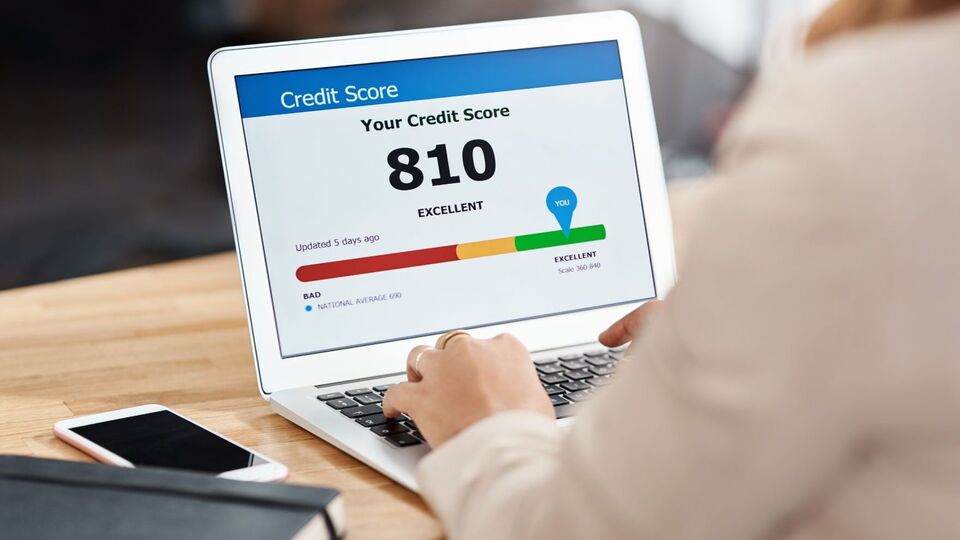
How Emergency savings protects your CIBIL score
If you need to take a loan during an emergency:
- Missed EMIs
- Credit score damage
Having an emergency fund:
- No loan dependency
- Healthy CIBIL score
Emergency savings Checklist
- Monthly expenses calculated
- 6–9 months target set
- Separate account
- Liquid investments
- Annual Review
- Inflation adjusted
Advanced Emergency Fund Tips (Most blogs miss this)
- Don’t keep emergency savings in a joint account.
- Keep a separate debit card for your emergency account only.
- Enable internet banking.
- Be sure to add a nominee.
- Check your ATM withdrawal limit.
Real-Life Emergency savings Case Studies (India)
Case:
Ravi (Age 32, private job)
- Salary: ₹45,000
- Monthly expenses: ₹28,000
- Emergency fund: ₹1.8 lakh
Emergency:
Company layoffs→3 months unemployment
Because of the emergency savings:
- No loan
- No credit card debt
- SIP continued
Emergency savings Myths
- I’m young, there won’t be an emergency.
- Salary comes, emergency funds are unnecessary.
- FDs are enough.
- Emergency can happen to anyone, at any time.
Emergency savings Review & Maintenance: What Should You Check Every Year?
Creating an emergency savings is not a one-time task. As your life changes, it is important to review and update your emergencysavings .
Check these 5 things every year:
- Have monthly expenses increased or not?
- Have dependents increased or not?
- Change in EMI or rent?
- Job stability?
- Inflation impact?
If your salary has increased, increase your emergency fund proportionately.
Emergency Fund & Job Change: How Does It Help During Transition Period?
During a job change:
- Salary may be delayed
- Joining a new job may be delayed
- Relocation expenses are incurred
If an emergency fund is ready:
- You don’t accept the wrong job under pressure
- Negotiation power remains strong
- Financial stress is reduced
An emergency savings gives you freedom in career decisions.
Home Loan & EMI Holders Emergency savings
If you have:
- Home loan
- Car loan
- Personal loan
An emergency savings becomes even more important.
Recommended approach:
- Include a minimum 3–6-month savings amount in your emergency savings.
- Calculate both savings and household expenses.
Meaning of missing a love:
- Penalties
- Credit Score Damage
- Mental Stress
An emergency savings protects you from default.

Emergency savings versus Borrowing from Friends & Family
Many people think:
I’ll borrow money from relatives in case of an emergency.
Problems:
- Relationship strain
- Guilt and pressure
- Repayment confusion
Having an emergency savings:
- Self-respect bana rehta hai
- Independent decision making hoti hai
- Emotional stress kam hota hai
The Biggest Tool of Self-Reliance = Emergency Fund
emergency savings for senior citizens
After retirement:
- Fixed income
- Medical expenses are unpredictable
Tips for senior citizens:
- Maintain an emergency savings for 12 months of expenses.
- Use highly liquid instruments.
- Keep ATM and net banking access easy.
An emergency savings gives senior citizens financial dignity.
Emergency savings & Digital Security
In times of emergency:
- Internet banking should be functional.
- OTP access should be available.
Practical tips:
- Keep your mobile number updated.
- Check your debit card expiry date.
- Nominee and family members should have basic information.
Emergency savings will only work if access is easy.
Emergency savings during market crash
During a market crash:
- Stocks fall
- Mutual fund NAVs drop
If there’s no emergency savings:
- People sell investments in panic
Having an emergency savings:
- Long-term investments remain untouched
- Compounding doesn’t break
An emergency fund is a shield against market volatility.
Emergency savings for Young Age: Early Start Benefit
If you:
- Are in your 20s
- Just started your first job
Creating an emergency savings is the best decision.
Advantage:
- Even a small amount can create a fund.
- Habits develop.
- Future financial stress is reduced.
Early emergency fund = strong financial future.
Emergency savings and Lifestyle Inflation
As salary increases:
- Lifestyle expenses also increase.
But people:
- Don’t update their emergency savings.
Result:
- The fund becomes insufficient.
Rule:
As your lifestyle increases, increase your emergency fund.
emergency savings automation strategy
Manual saving is difficult.
Smart solution:
- Auto-transfer as soon as salary arrives
- Separate emergency account
- Monthly SIP-type discipline
Automation brings consistency.
Emergency savings: Long-term Discipline, Not Short-term Goal
emergency savings:
- It’s quick to create
- But it requires disciplined maintenance.
Remember:
- Only use it in a real emergency.
- After use, prioritize rebuilding.
Emergency Fund FAQs
Q1. Is it okay to keep this money in mutual funds??
Yes, only liquid mutual funds, not equities.
Q2. Is this money taxable?
FD & liquid funds returns are taxable.
Q3. What to invest after emergency fund?
SIP, mutual funds, NPS, shares.
conclusion
Financial planning starts with a strong security base. Whether you are a new investor or already have experience, long-term investing remains foolproof without this base.
- Pehle emergency fund
- Phir insurance
- Phir SIP & investments
Even if you start today with just ₹1,000, you are in the right direction.
Disclaimer
This article is published for education and informational purposes only. It is not intended to provide financial, investing, or professional advice. The examples and explanations shared here are for general understanding and may not fit every individual’s financial situation.
Readers are advised to evaluate their own needs and, if necessary, consult a qualified financial professional before making any financial decisions. The author and website do not take liability for any actions taken based on the information provided in this article.
